Mathematicians
Intent
At Sea Mills Primary School, we want children to become mathematicians who have a deep, long-term, secure and adaptable understanding of the subject. As pupils progress through the Maths curriculum from EYFS to Year Six, they will become fluent, flexible and confident.
We develop these characteristics by focussing first on developing a deep understanding of number, which is progressive in each year group and delivered in small steps, so that children are always building on what they know already.
Implementation
EYFS
In EYFS, we give our children a strong grounding in number, pattern and spatial reasoning by following the children’s interests and providing them with opportunities to explore maths within structured learning time and within our continuous provision. We use an adapted version of White Rose Maths and the Early Years Number Sense Programme to deliver a programme of learning that meets the requirements of the 2021 Statutory Framework and develops our learner’s ability to subitise, manipulate and partition numbers to ten. We focus heavily on children exploring maths and developing a conceptual understanding of number through play and the natural world.
KS1
As children move into KS1, they encounter both the Number Facts Fluency Programme and the White Rose Maths Curriculum. This allows them to continue building on their understanding of number that they developed in EYFS, whilst also developing a broader understanding of maths to match the expectations of the National Curriculum. They continue developing their key mathematical facts and through class discussion and partner talk begin to develop reasoning skills.
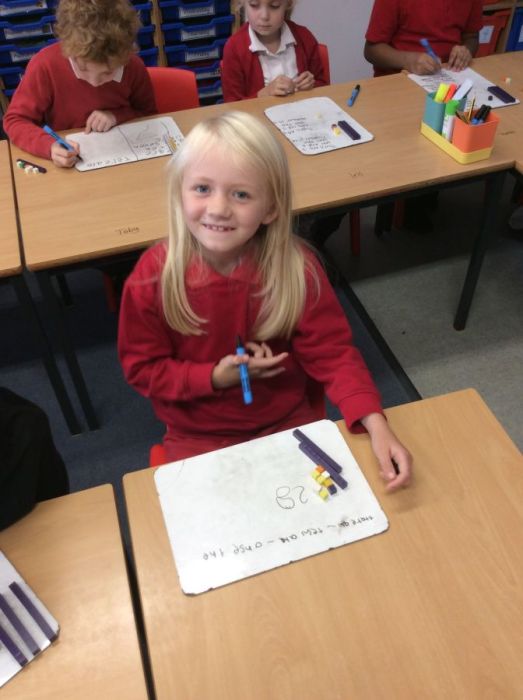
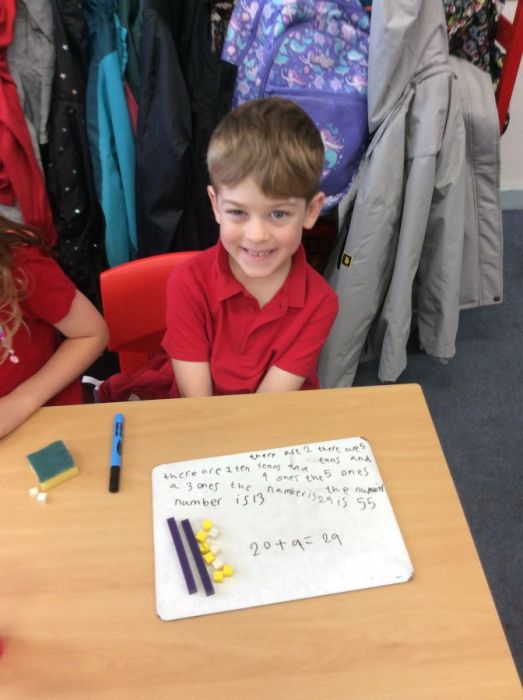
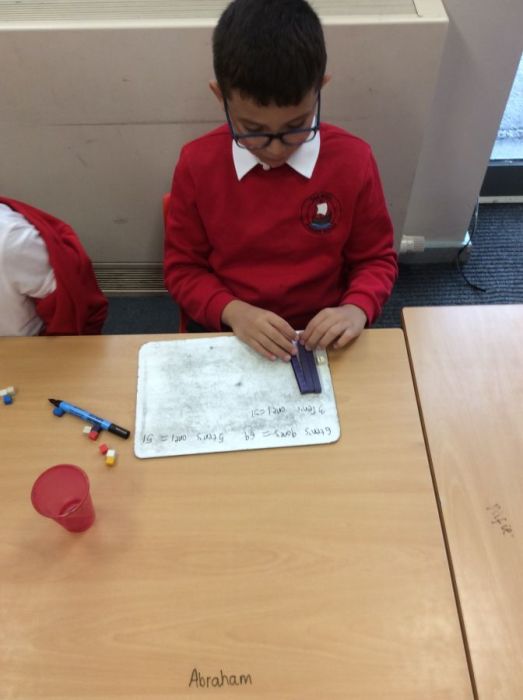
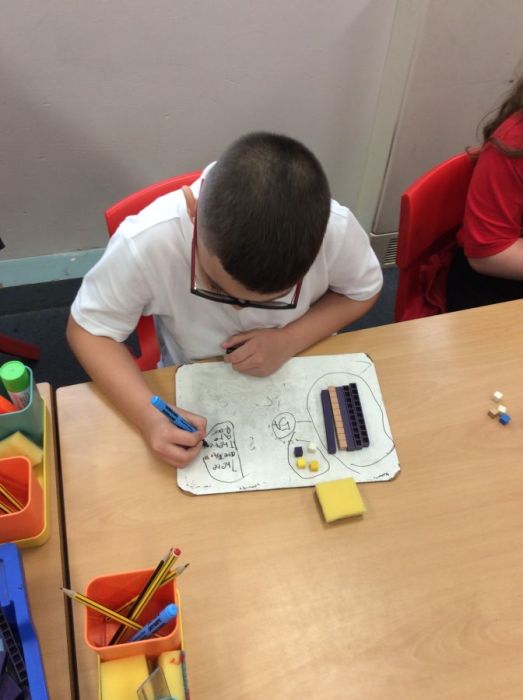
They are provided with a range of manipulatives, which give them access to previous learning and help support them to develop a strong conceptual understanding of what they are learning. Teachers provide lessons that first develop children’s fluency through modelling, clear mathematical language and variation of question. Then, they are challenged to use what they know to answer varied fluency, reasoning questions and by solving problems.
KS2
Throughout KS2, children follow the White Rose Curriculum, continuing to develop their understanding by taking small steps at the correct time. They use their knowledge of number to develop a progressively deeper and wider understanding of maths. They become more adept at answering reasoning questions and can apply their mathematical understanding to solve more complex problems.
Teachers continue to provide visual representations to support learning. They also seek to provide more opportunities for talk, so that children can become adept at reasoning and flexible in the way that they think about maths. We work hard to give them the skills they need to thrive in secondary education.
How you can help at home
Try to make maths as much fun as possible – games, puzzles and jigsaws are a great way to start. It’s also important to show how we use maths skills in our everyday lives and to involve your child in this.
Identifying problems and solving them can also help your child develop maths skills. If you see him or her puzzling over something, talk about the problem and try to work out the solution together.
Don’t shy away from maths if you didn’t like it at school. Try to find new ways to enjoy the subject with your child.
Tips for helping your child to enjoy maths:
- Point out the different shapes to be found around your home.
- Take your child shopping and talk about the quantities of anything you buy.
- Let your child handle money and work out how much things cost.
- Look together for numbers on street signs and car registration plates.
Useful links
Thanks to generous support from the PTFA, we now have full access to www.sumdog.com – It is an adaptative, games-based learning tool that will help your children to gain number fluency and have lots of fun. Children should be aiming for at least three twenty-minute sessions a week as part of their homework.
Maths Train: https://www.topmarks.co.uk/maths-games/mental-maths-train
Maths Fishing: https://mathsframe.co.uk/en/resources/resource/306/Maths-Fishing-Multiplication
Hit the Button: https://www.topmarks.co.uk/maths-games/hit-the-button
Times Tables Rally: https://www.timestables.co.uk/rally.html
Number Diving: https://www.timestables.co.uk/number-diving.html
Defenders of Mathematica: https://www.bbc.co.uk/bitesize/topics/zd2f7nb/articles/zn2y7nb
Karate Cats: https://www.bbc.co.uk/bitesize/topics/zjkphbk/articles/zf4sscw
DK Times Tables: https://www.dkfindout.com/uk/maths/times-tables/
Glossary
Here is a useful mathematics glossary resource that could be used at home to help understand specific vocabulary used in school.
Gallery
Year 5 Outdoor learning: Perimeter and measure
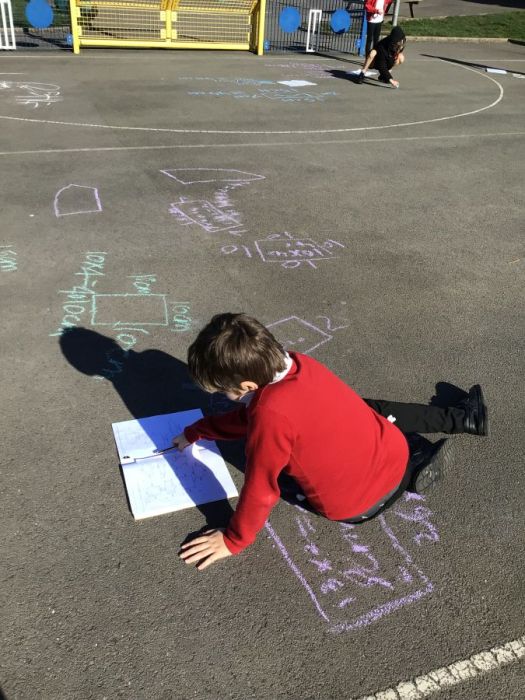
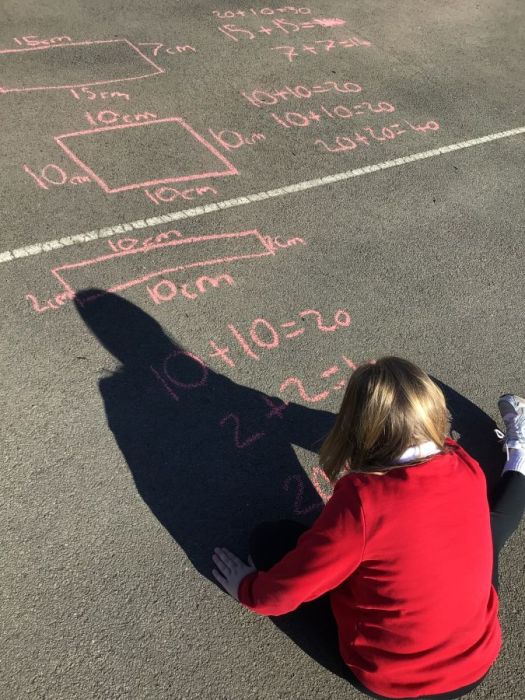
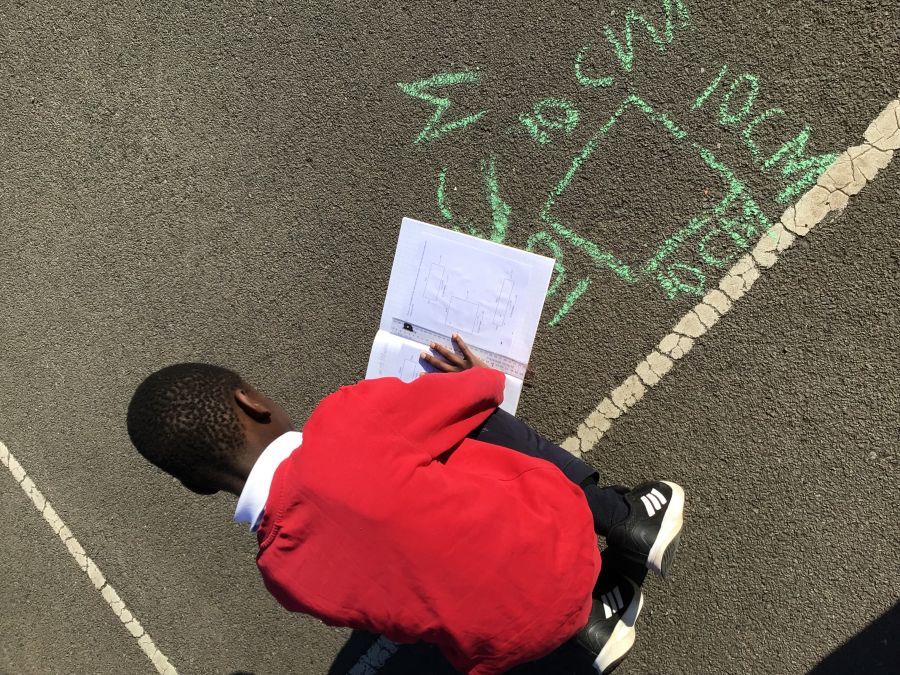
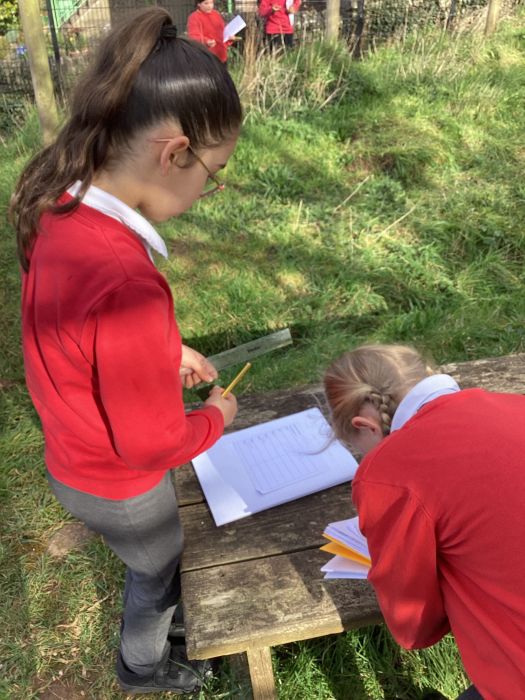
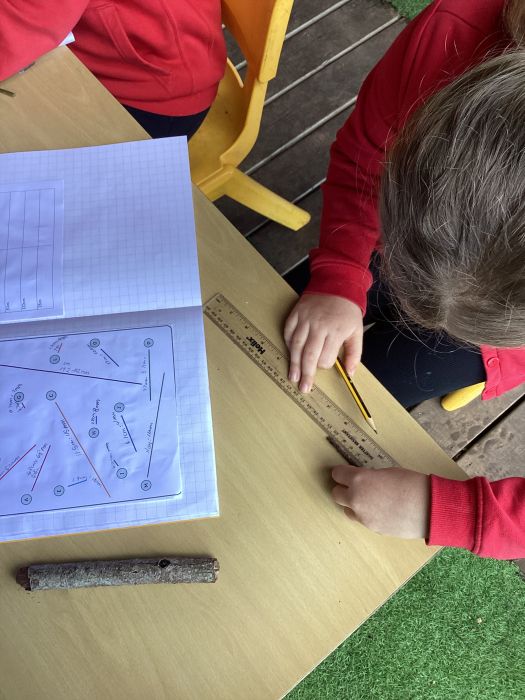
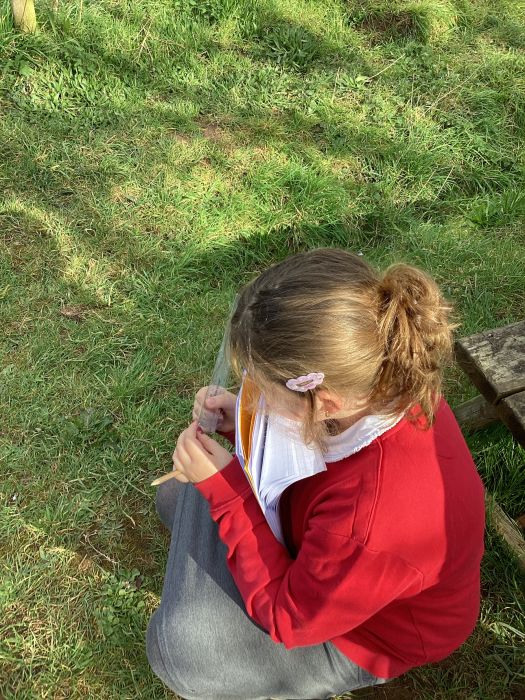
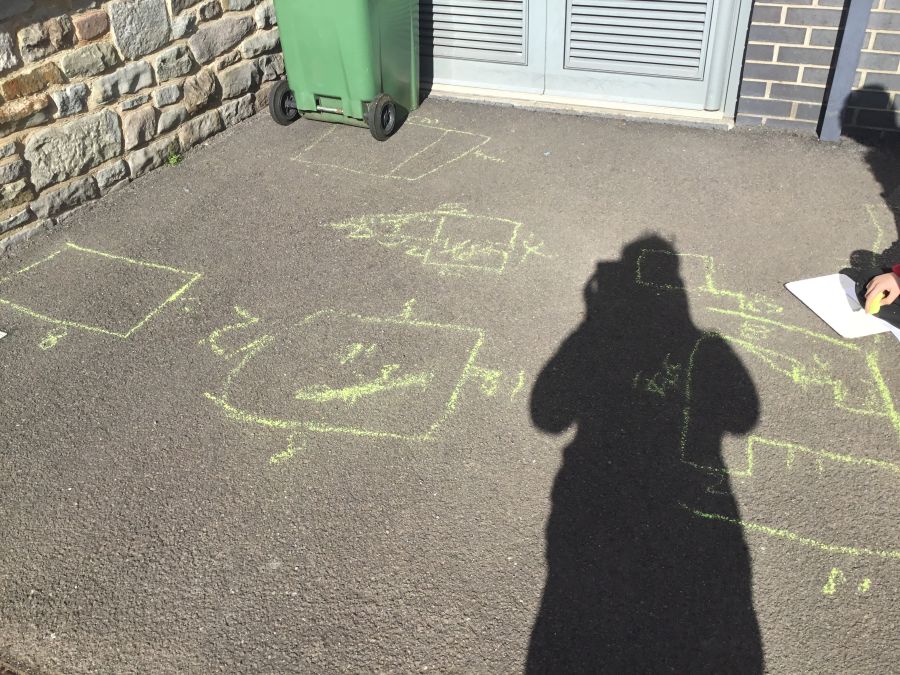
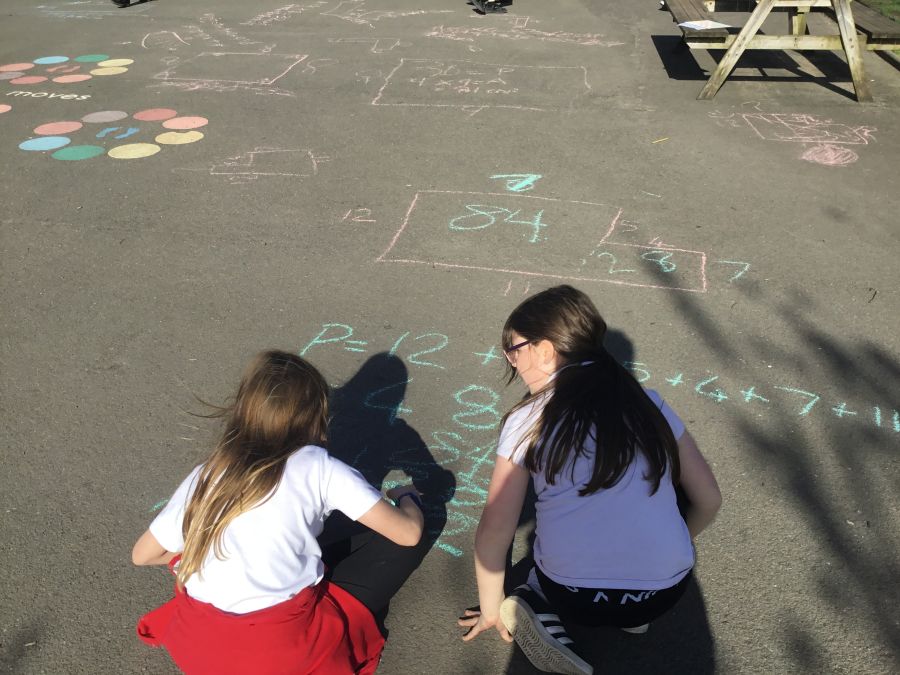
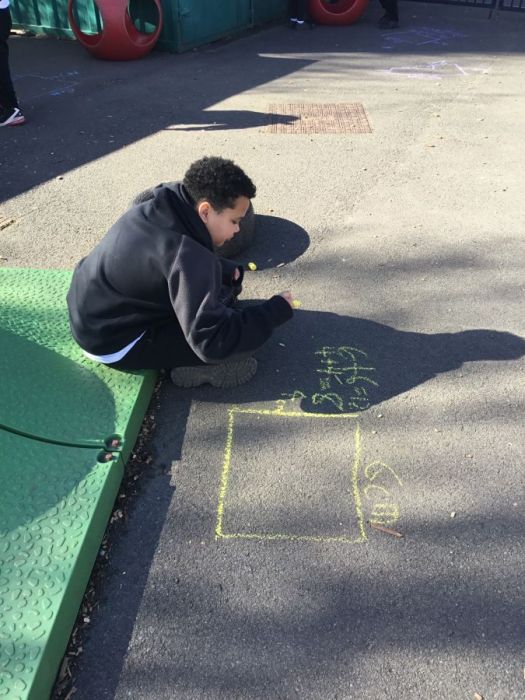
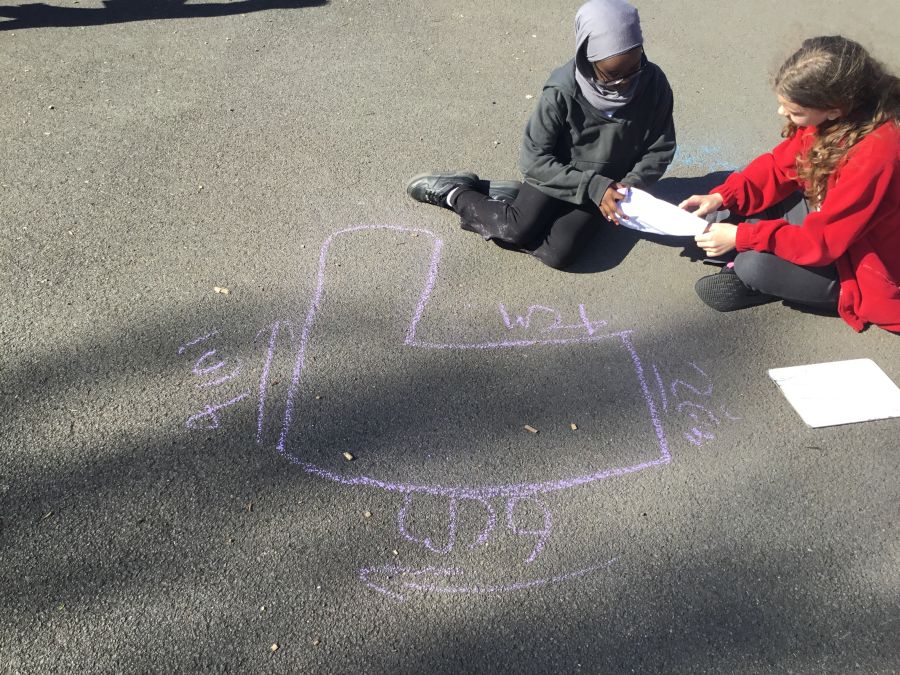
As part of our new maths unit year 5 have been enjoying the spring weather and have been measuring accurately and identifying the perimeter of shape. We explored the outdoor classroom identifying different lengths in cm and mm. We used the chalk to identify perimeter or rectangles and squares. We look forward to going outside to measure area next!
Year 6 Maths
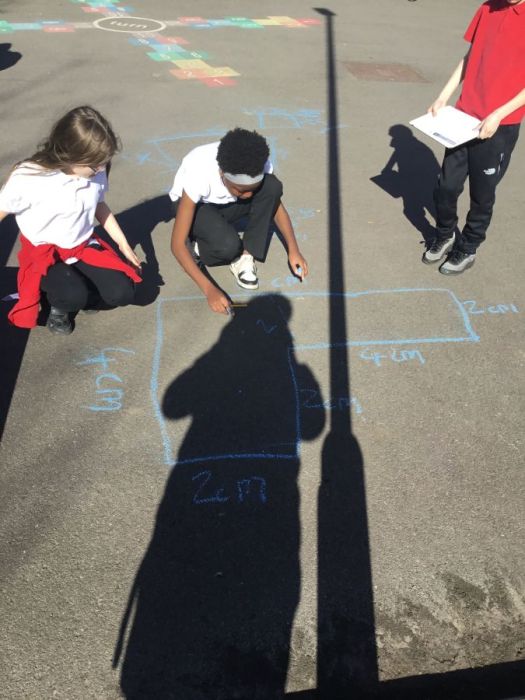
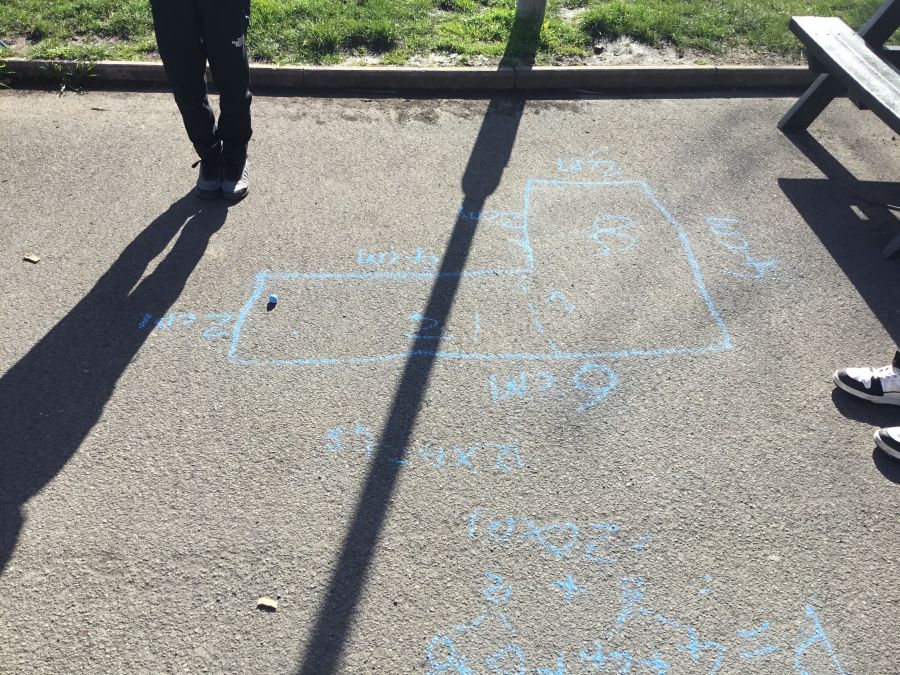
This afternoon Year enjoyed making the most of the sunshine to practice calculating the area and perimeter of different shapes. They drew out the shapes on the playground then showed their working out. To challenge themselves they then had to use the given area and perimeter to work out the missing side lengths.
Year 3 Outdoor Maths
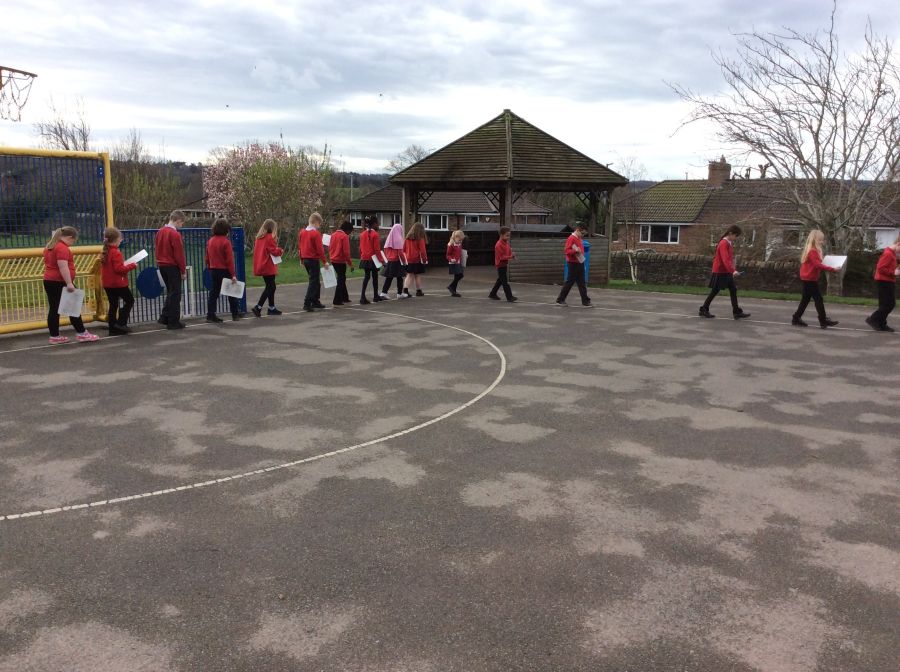
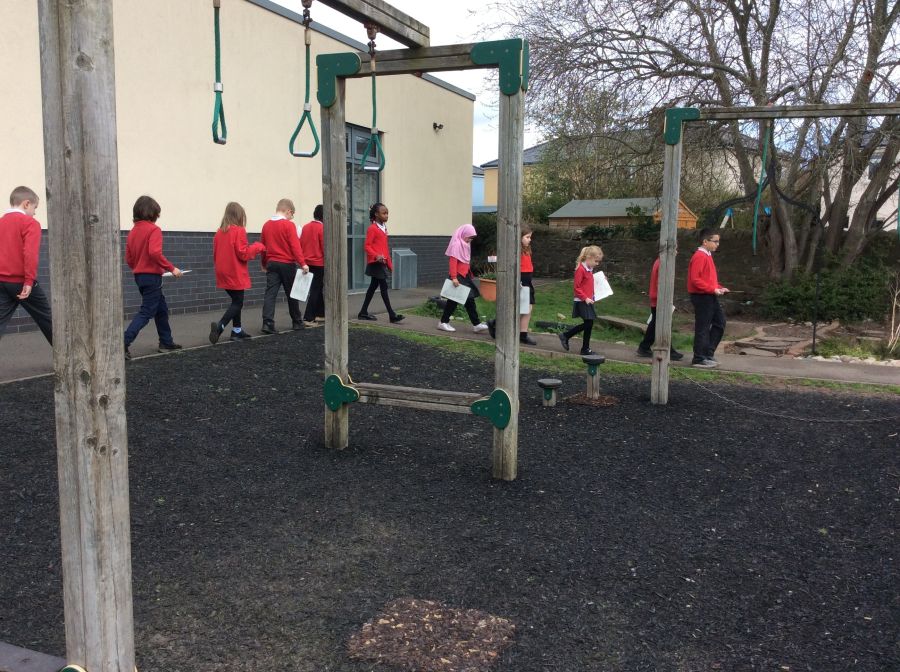
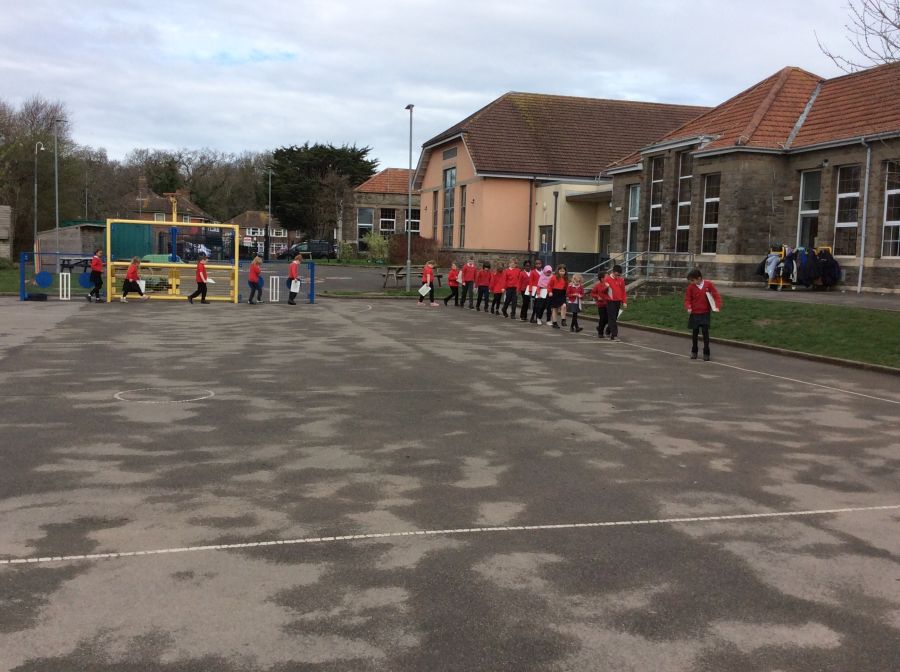
To help year 3 understand the concept of perimeter, they took their learning outside. They went for a walk around the pitch and trim trail and counted their steps. They then discussed why their step counts were different.
Year 3: Maths:
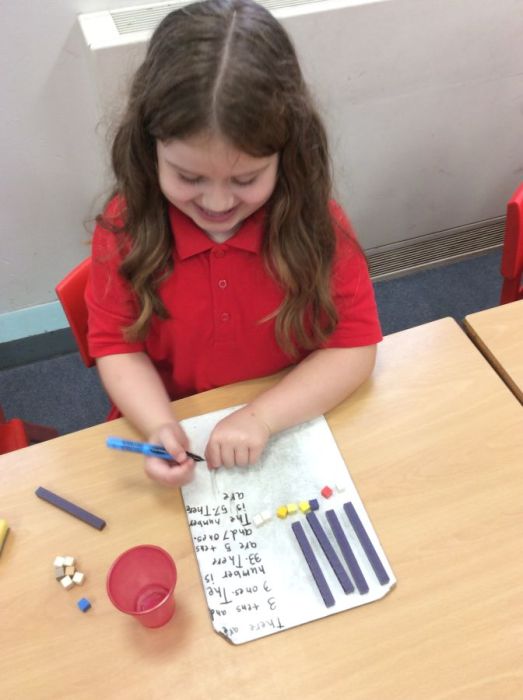
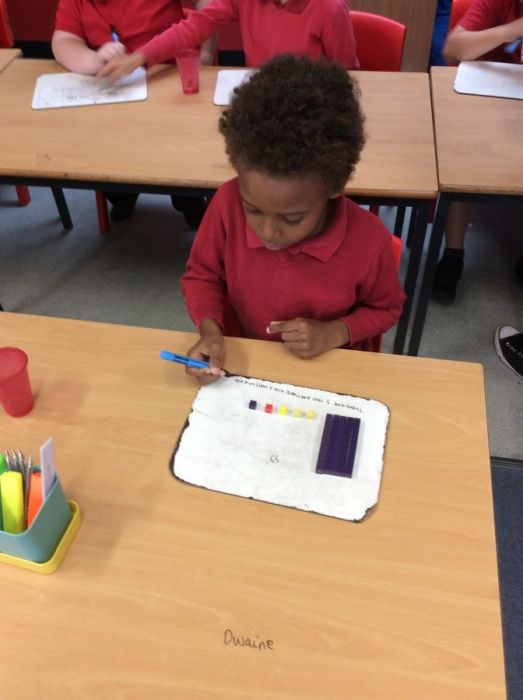
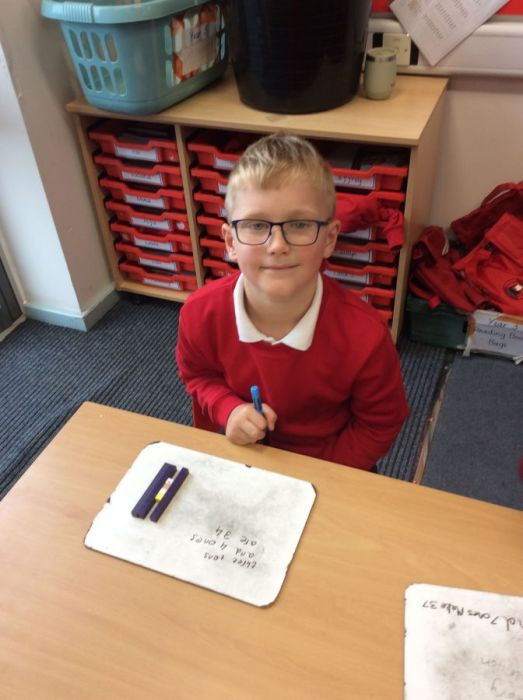
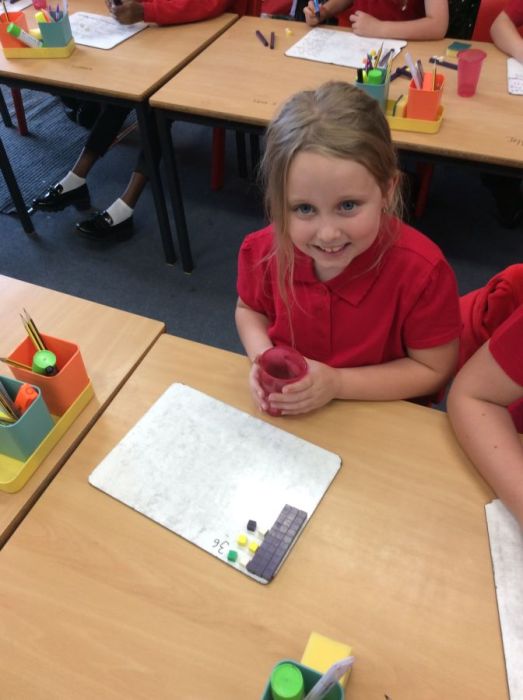
This week, we have been busy learning all about place value. During our hands on lessons, we have been looking at representing and partitioning numbers up to 100.